
Our research reports aim to bring together evidence-based insights, explore cases from across Europe and break down complex topics to help people understand the challenges faced by people on the move and how to best support them.
We encourage discussion and any feedback or constructive criticism of our work, please at hello@europemustact.org
Migration is often framed as a male experience. Yet women make up a huge share of people on the move, and carry specific health needs that migration systems routinely ignore like periods, pregnancy, menopause and mental health.
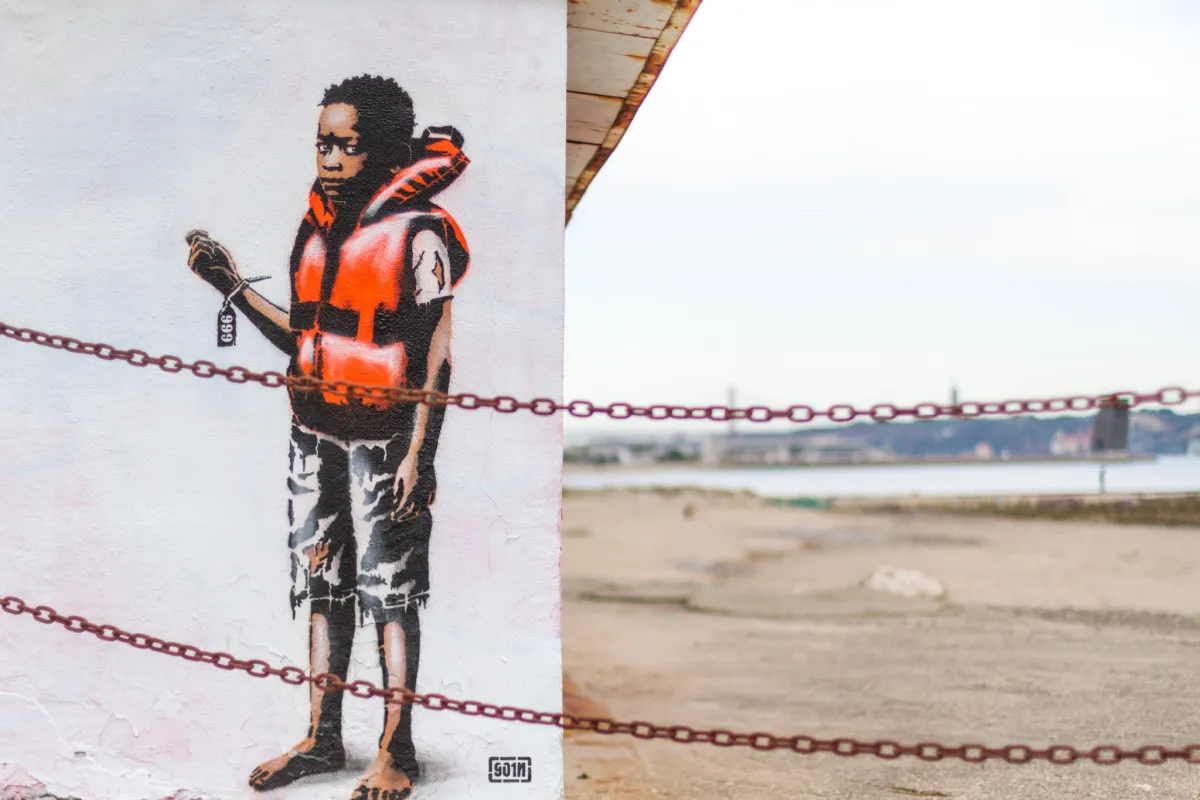
Art can’t fix systemic inequality, but it can shift narratives, build empathy and foster belonging. We take a look at how art is used within the context of migration and asylum in Europe.
Walls and Witnesses: Detention, Solidarity, and Resistance
The deadline for the official implementation of the EU Pact on Migration and Asylum is fast approaching. Yet in practice, some of the policies it plans to deliver are already happening on the ground – suggesting the Pact’s aim to legitimise and entrench existing malpractice.
Redefining Belonging in Europe: Citizenship, Residence and Irregularity
What does it mean to belong? Although citizenship remains a foundational status that defines access to rights, protections and political participation, it is increasingly presented as a privilege that can be granted, restricted or even withdrawn.
The EU is set to triple its budget for migration, border management and internal security. But where is this money actually going – and who does it really serve? How much are we spending to keep people out rather than building a fair, humane asylum system?
In Bulgaria, the right to asylum is systemically undermined. In this report, 10 persons on the move share their experiences and inside perspectives of a system that rejects, dehumanises, detains and abuses them.

Love and Family Across Borders
Across Europe, the fundamental right of families on the move to stay and be together in safety is increasingly under threat. We explore this dangerous trend and take a closer look at: child detention and abuse, family reunification and examples of solidarity.
Externalisation and the Outsourcing of Asylum
European states are paying third countries millions to push their borders and asylum processing outside their territories. This report takes a look at the rapid expansion and increased normalisation of such practices – and the human rights violations they entail.
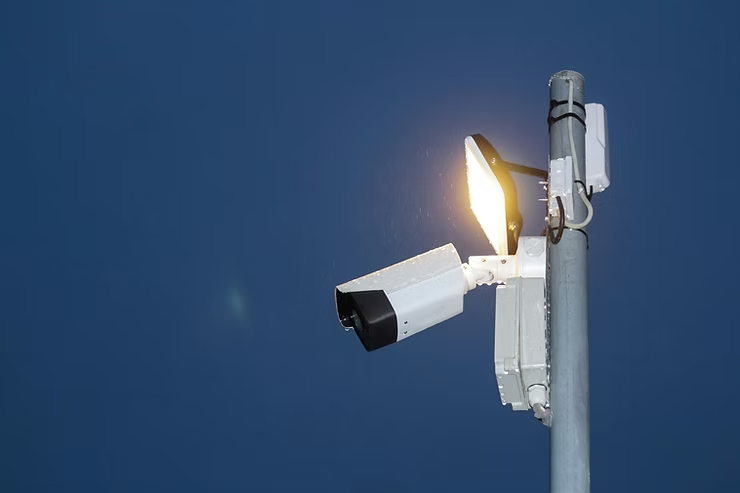
Artificial Intelligence and Border Technologies
This report focuses on how AI is reshaping the way Europe controls its borders, too often at the expense of the rights and dignity of people on the move.
Growing Hostility Against Asylum in Europe
From Poland’s suspension of asylum claims at the Belarussian border to Italy’s externalisation plans, and Greece’s continued pushbacks, asylum is being met with deterrence, rather than protection across Europe.
We explore the complex landscape of housing for people on the move in Europe, shedding light not only on the various legal, social and economic challenges they face, but also on the innovative approaches and solutions making a real difference.
We take a look at the gap in international law to frame the protection of people fleeing climate disasters, and examine how climate change is influencing migration patterns in several regions from East Africa to Europe.
The events of the last few years have meant that health and the threat to health have often been in the spotlight. On an individual level…
On a global scale, just over half of all refugee children – 51 per cent – remain out of school. Education is a basic right, enshrined in both…
Refugees, Asylum Seekers and Employment
The right to work and having a job that provides healthy and fair working conditions are issues that concern us all…
We’ve come a long way since the 1951 refugee convention, which largely only used male pronouns and didn’t mention gender throughout the entire document. Since the 1990s…
Borders, Refugees and Asylum: where are we at?
Ideas of European cooperation on asylum began in the early 1990s, as the Cold War came to a close…